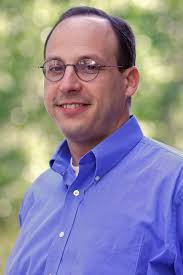
Dr. Lacy Ford, Emeritus Faculty, History Department, College of Arts & Sciences, University of South Carolina
Topic: “The Modern Southern Economy Revisited: South Carolina As a Test Case”
Time: 12 Noon
Date: November 15, 2023
Location: The Palmetto Club
Time: 12:00 pm to 1:30 pm
Location: Palmetto Club. Buffet lunch included (guests/non-members: $30).
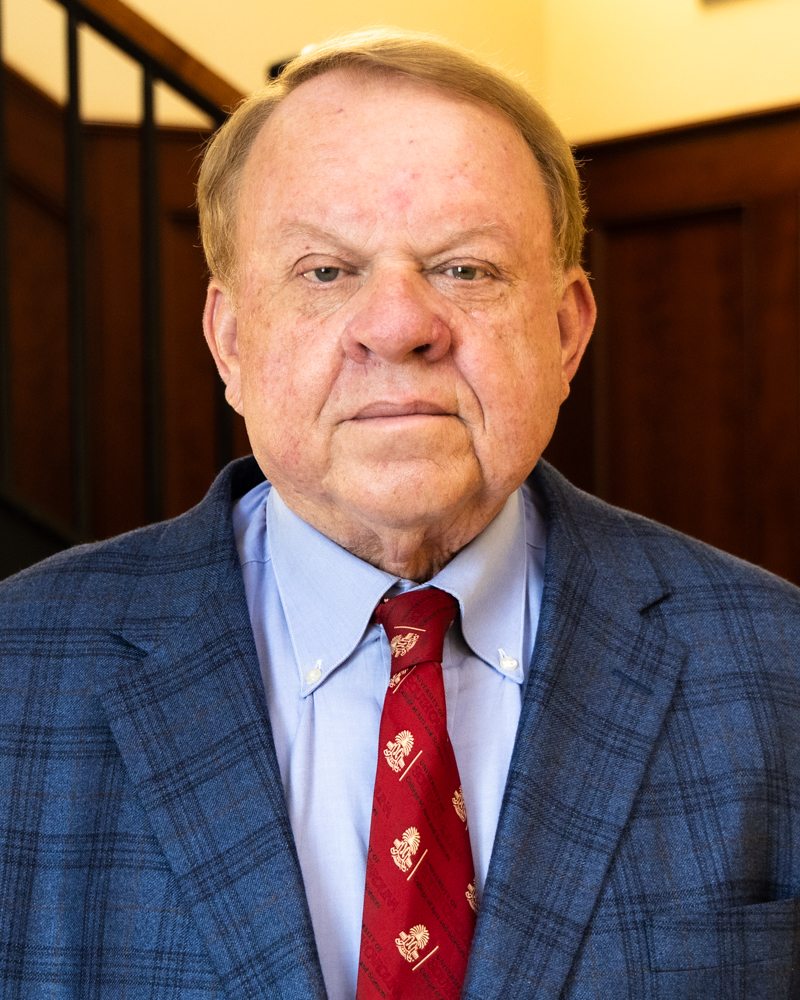 Lacy Ford served as Dean of the College of Arts and Sciences, USC’s largest and oldest college, from July 2016 to December 2020. Prior to becoming Dean, Ford served as Senior Vice Provost & Dean of Graduate Studies at the USC from 2010-2016. His responsibilities included: faculty development and evaluation, tenure and promotion, hiring and retention, the Graduate School, and Distributed (Distance) Learning, and the SEC’s Academic Leadership Development Program. From 2007-2010, Ford served as Chair of the Department of History.
Twice a National Endowment for the Humanities Research Fellow and once an ACLS Fellow, Ford is the author of Deliver Us From Evil: The Slavery Question in the Old South, published by Oxford University press in 2009 and reviewed in the September 20, 2009 issue of the New York Times Book Review, as well as other works. Deliver Us From Evil also won the 2010 Mary Lawton Hodges prize for best book on the South published in 2009. In 2008, Ford published “Reconfiguring the Old South: ‘Solving’ the Problem of Slavery, 1787-1838,” in the Journal of American History. This article was also featured on the “Teaching the JAH” website.
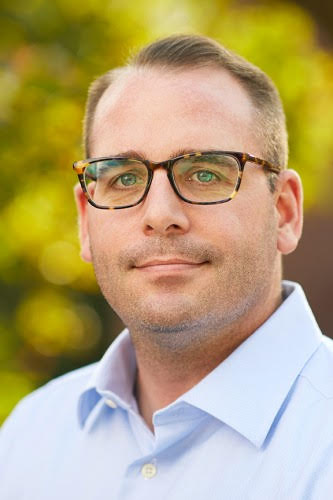 David Skarbek is an Associate Professor of Political Science and Political Economy at Brown University, and the inaugural director of the Center for Philosophy, Politics, and Economics. His research examines how extralegal governance institutions form, operate, and evolve. He has published extensively on the informal institutions that govern life in prisons in California and around the globe. His work has appeared in leading journals in political science, economics, and criminology, including in the American Political Science Review, Journal of Economic Behavior & Organization, Journal of Law, Economics & Organization, and Journal of Criminal Justice.
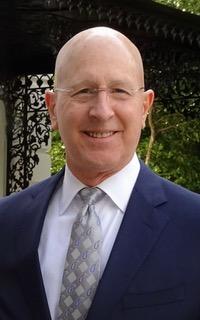 A Pennsylvania native, Dr. Chris Yeakel somehow graduated from Pennsylvania State University with BA and MD degrees. He discovered the south in 1980, during his intern year in the departments of Medicine and Pediatrics, University of North Carolina Hospitals, Chapel Hill, North Carolina. After that intern year Dr. Yeakel was commissioned by the United States Public Health Service and served two years as a general medical officer living and working on the Pine Ridge Indian Reservation in South Dakota. While serving the Lakota Tribal members on the Pine Ridge Indian Reservation he had an opportunity to combine both his passion for medicine and flying.
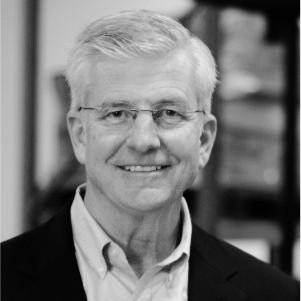 Brian Devine is the president and CEO of Ignite Industrial Professionals, bringing extensive experience and a unique understanding of both the labor needs of companies and the priorities and the preferences of essential front line workers.
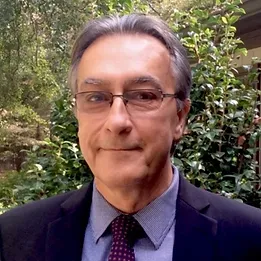 Mr. Vanderstraeten is the former CEO of Fabrique Nationale based in Columbia, South Carolina and is currently a board member of the Colt CZ Group, Noth America. He was associated with the FN Herstal Group for over 38 years. He has an extensive financial background and has held management positions for the corporation in Belgium, Nigeria, Hong Kong and the United States. He holds a Financial Degree from Chambre Belge Des Experts Comptables in Liege, Belgium.
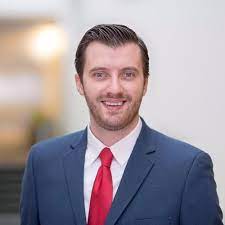 Adam Schickling, CFA, is an economist in Vanguard Investment Strategy Group. He has co-authored research on productivity, demographics, labor markets, and China’s economy. He joined Vanguard in 2012. Previously, he was a fixed income investment risk analyst in the Risk Management Group.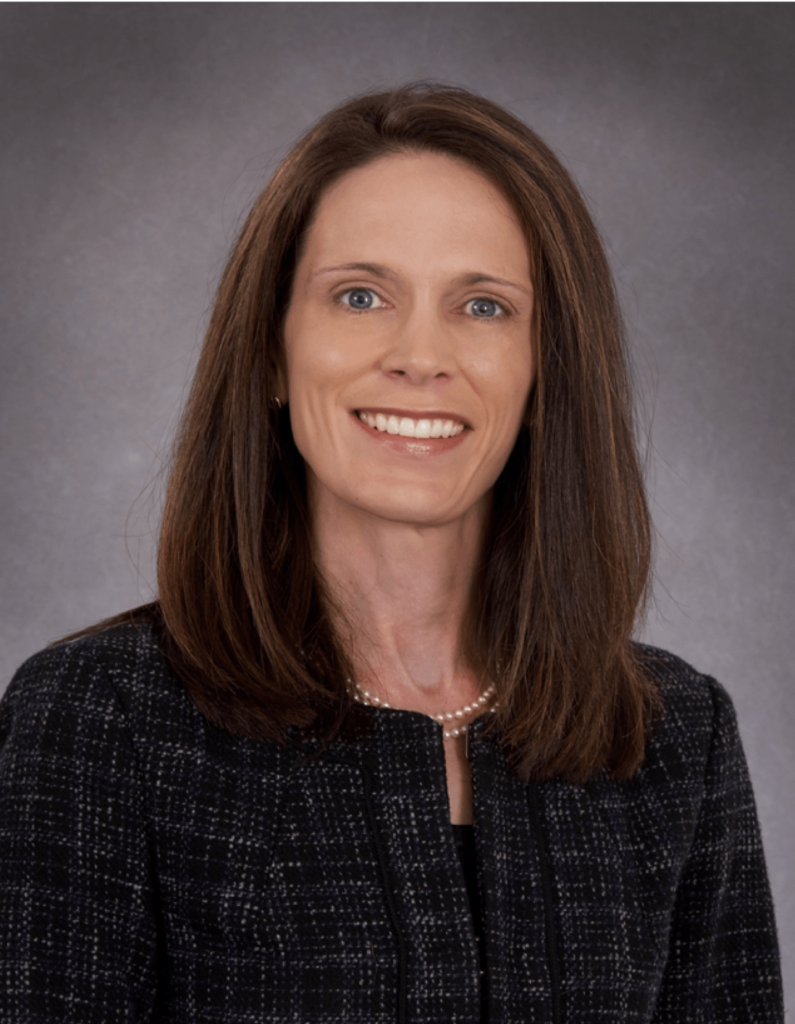

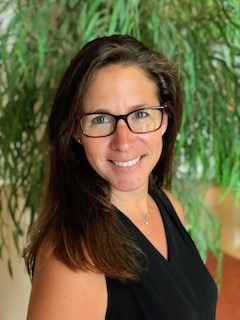 Dr. Debra Lieberman is an Associate Professor in the Department of Psychology at the University of Miami. Her research aims to understand how evolution has shaped the social mind. To this end Dr. Lieberman applies theoretical tools from evolutionary biology to develop hypotheses regarding function, generates information-processing models that specify how the functional mechanism operates, and then empirically tests the validity of these models. Dr. Lieberman studies a range of phenomena including kinship, altruism, sexuality, disgust, morality, and, gratitude.